Did you know that skin grafting is a vital procedure for treating children with severe burns? It not only aids in healing but can also significantly impact a young patient’s recovery journey. Understanding whether organizations like Shriners Children’s accept skin donations is crucial for those looking to help these children in need. By exploring how you can contribute, you can make a meaningful difference in the lives of youngsters facing burn injuries and complex medical challenges. This article will guide you through the process, benefits, and steps involved in aiding Shriners Children’s with skin donations, ensuring that you are well-informed about how your efforts can foster healing and hope for those who need it most.
Does Shriners Hospitals Accept Skin Donations?
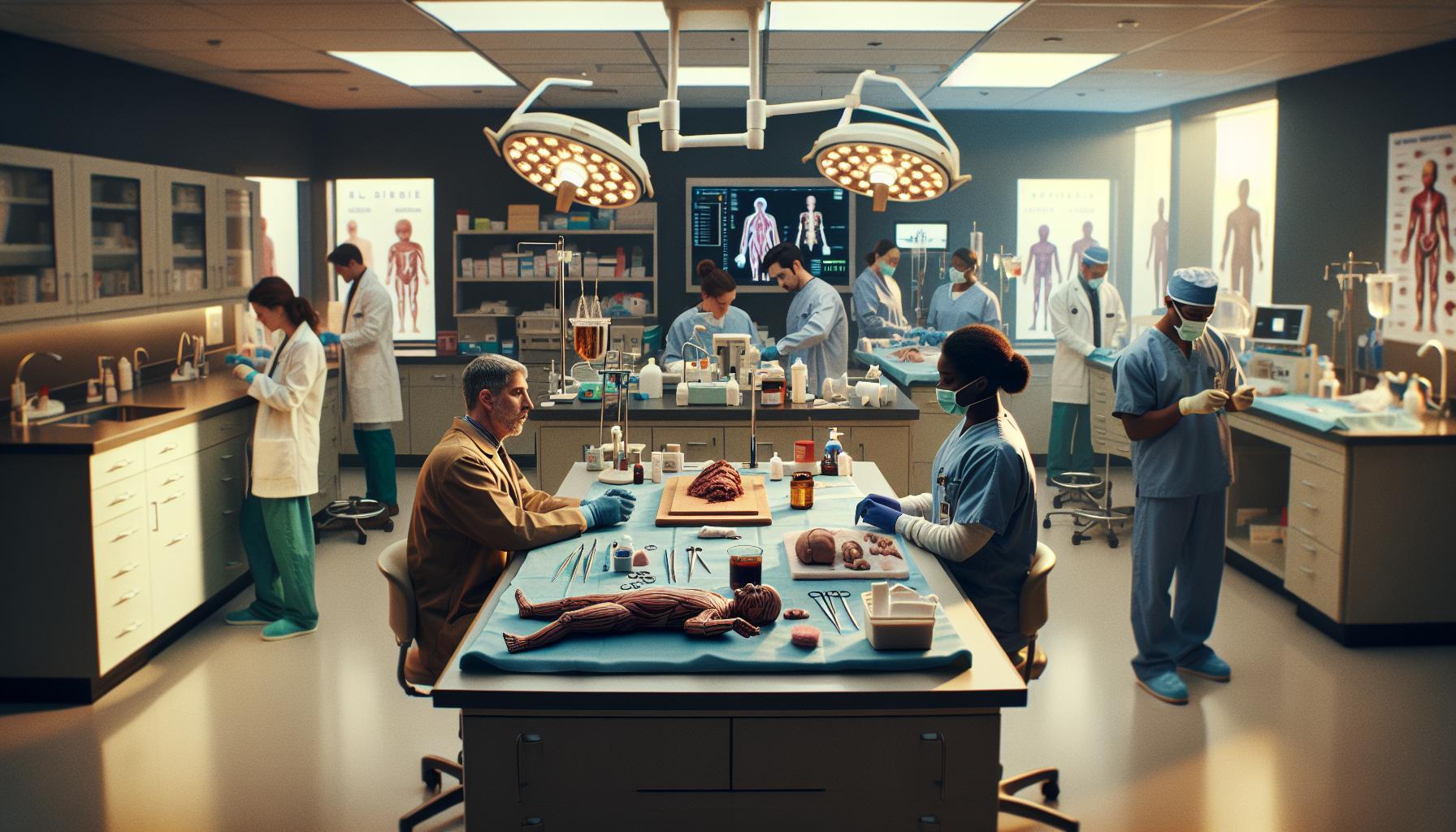
Shriners Hospitals for Children are known for their compassionate care and innovative treatments, especially for children with burn injuries. However, when it comes to skin donations, they do not directly accept skin or tissue donations from individuals. Instead, they utilize skin grafts from established tissue banks, which follow strict regulations and protocols to ensure safety, effectiveness, and ethical practices.
When a child requires a skin graft due to severe burns, healthcare providers will often turn to these reputable tissue banks. Skin from donors who have passed away is carefully processed, sterilized, and preserved before being supplied to hospitals for medical use. This approach guarantees that the grafts used in surgical procedures meet rigorous standards to minimize infection risks and ensure patient safety.
For individuals looking to make a meaningful impact, donating to organ and tissue banks or supporting organizations like Shriners through fundraising efforts is a way to contribute. Such donations help fund advanced treatments and research, improving outcomes for young patients suffering from burn injuries and other conditions requiring skin grafting therapies.
Understanding Skin Donation Process
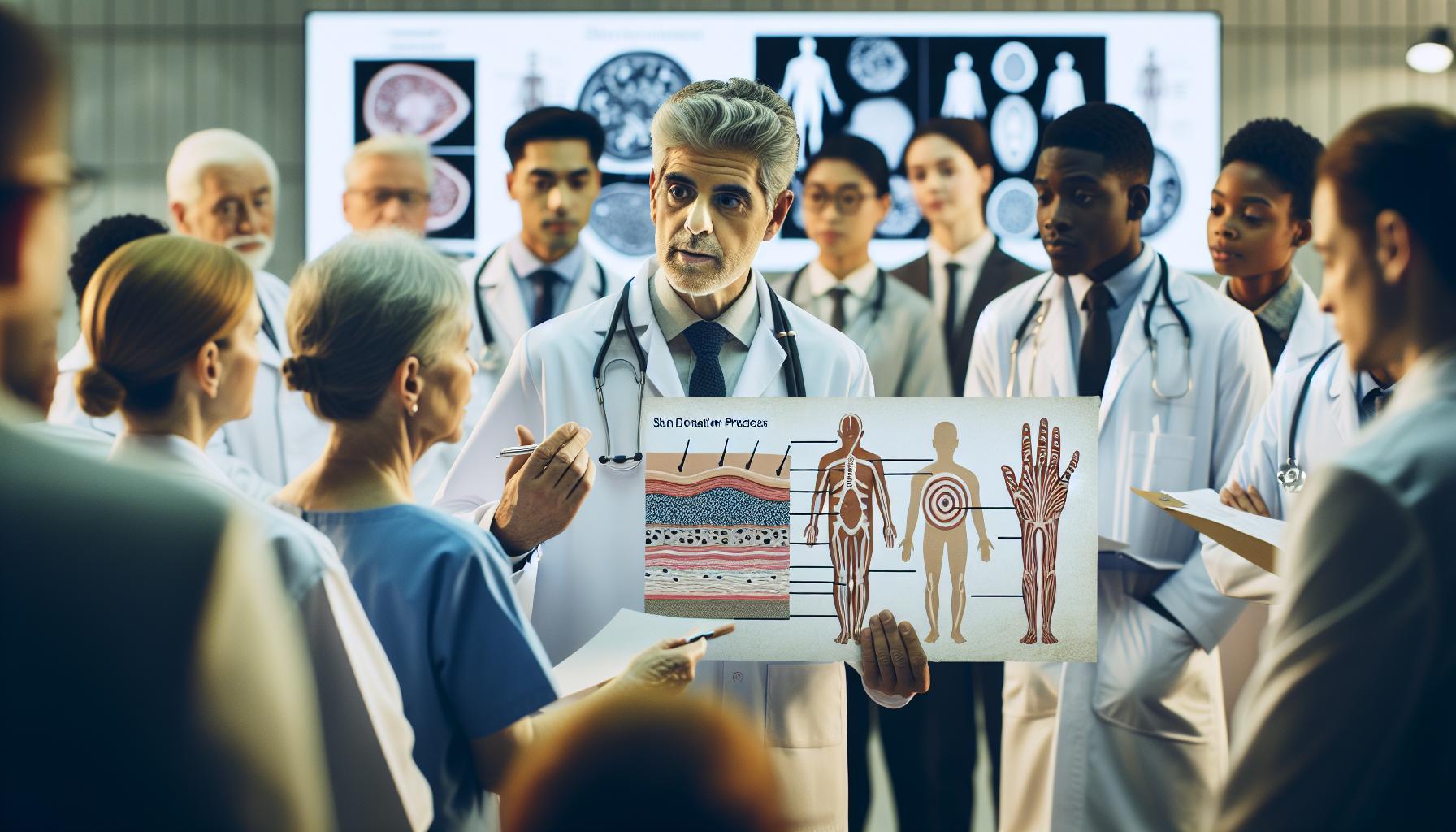
The process of skin donation is a vital component in providing life-saving treatments for patients suffering from severe burns and other skin-related issues. Understanding how skin can be donated, even if individuals cannot directly donate to Shriners Hospitals for Children, enables individuals to make informed decisions that might positively impact the lives of others. Skin donations typically occur through tissue banks, which source skin from deceased donors according to established guidelines and ethical practices.
When a person passes away and their family consents, their skin can be harvested by certified professionals. This skin, often from non-vital areas of the body, is then meticulously processed. The recovery involves removing the skin from the body while ensuring that all protocols to maintain the donor’s dignity are respected. Once harvested, the skin undergoes testing for infectious diseases, and the grafts are sterilized and preserved for future medical use. This approach ensures that any skin grafts used in surgeries are safe, effectively reducing the risks of infection and rejection in recipients.
The application of donated skin is significant in the medical field. Children who have suffered extensive burns and require skin grafts for healing can receive these vital tissues to aid in recovery. When processed correctly, the grafts not only help in wound healing but also improve the quality of life for patients, allowing them to regain normal function and appearance.
For those considering skin donation, it’s essential to recognize that they can significantly impact others’ lives, even posthumously. The decision to donate should be discussed with family members and conveyed through appropriate legal channels, such as organ donor registries. It’s also beneficial to engage with organizations like Shriners or local tissue banks that can provide additional information and resources about the benefits and processes of skin donation, ultimately creating a lasting legacy of compassion and care.
Benefits of Donating Skin for Medical Use
When considering the profound impact skin donation can have on the medical field, it’s essential to understand the benefits it brings to patients in need. Donated skin plays a crucial role in reconstructive surgeries, particularly for individuals suffering from severe burns, traumatic injuries, or extensive skin diseases. One of the primary advantages of skin donation is its ability to facilitate rapid wound healing. Skin grafts provide a protective barrier, reduce the risk of infections, and promote the regeneration of healthy tissue, ultimately improving recovery times for patients.
Enhancing Quality of Life
The therapeutic use of donated skin significantly enhances the quality of life for young patients undergoing extensive medical treatments. Children who have experienced severe burns often face not just physical challenges but also psychological ones. The successful application of skin grafts helps in restoring their appearance and function, aiding in their emotional recovery. By improving physical comfort and aiding in rehabilitation, skin donation contributes to a more normalized life post-injury.
Cost-Effectiveness in Medical Care
Utilizing donated skin can be a cost-effective solution for healthcare systems. By decreasing the length of hospital stays and minimizing complications that may arise from untreated wounds, skin donations reduce the overall financial burden on both families and healthcare facilities. This efficiency allows medical staff to allocate resources more effectively, ensuring that care is attainable and comprehensive for all patients.
- Reducing Complications: Properly educated and trained medical teams can effectively use skin grafts to lower the chances of post-surgical complications such as infections.
- Expanding Research Opportunities: The use of donated skin also opens avenues for research into improving surgical techniques and developing advanced skin treatments.
- Fostering Compassionate Care: By encouraging families to engage in skin donation discussions, healthcare facilities promote a culture of giving, which empowers communities to support one another through challenging medical circumstances.
Overall, the contribution of skin donations extends beyond medical procedures; it embodies a spirit of hope and resilience for those facing difficult health challenges. Engaging with organizations like Shriners Hospitals for Children can provide essential information and support in navigating the donation process, ensuring that willing donors leave behind a legacy of healing and compassion.
Eligibility Criteria for Skin Donors
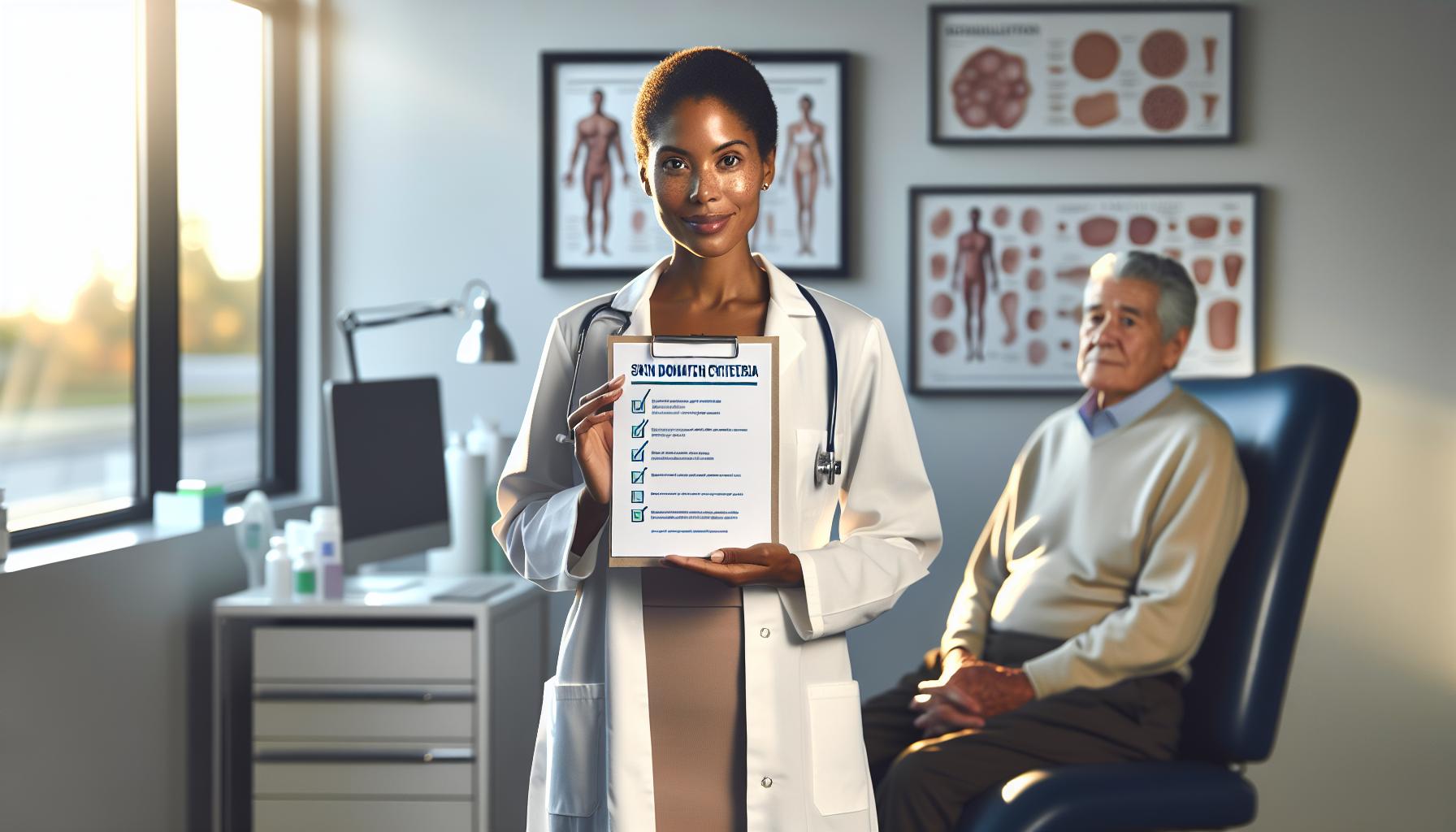
To ensure that skin donations are both safe and effective, several eligibility criteria have been established for potential donors. Understanding these requirements is crucial for anyone considering this compassionate act, as they help maintain the integrity and safety of the donated skin, ultimately benefiting patients in need.
Individuals who wish to donate skin typically must meet the following criteria:
- Age: Generally, donors must be at least 18 years old. However, in certain cases, minors may donate with parental consent, depending on specific regulations.
- Health Status: Donors should be in good overall health, without chronic illnesses or infections that could compromise the quality of the skin. This includes being free from diseases such as HIV, hepatitis, and various skin disorders.
- Recent Medical History: Individuals who have undergone recent surgeries or medical procedures may be ineligible for a period following their treatment. This is to ensure that their wounds are fully healed and that there are no complications.
- Lifestyle Factors: Certain lifestyle choices, such as tobacco use and high-risk behaviors that increase the likelihood of infectious diseases, may impact eligibility.
- Medication Use: Some medications can affect skin integrity or the healing process, which might disqualify a potential donor. It’s important to disclose all prescription and over-the-counter medications during the screening process.
The screening process for skin donation includes a detailed medical history review and a physical examination by a qualified healthcare professional. This thorough evaluation not only safeguards the health of potential recipients but also confirms that donor skin can be successfully utilized in surgical procedures, such as skin grafting for burn victims.
For those who are eligible and decide to move forward, the act of donating skin represents a powerful gift that can dramatically improve the lives of those suffering from severe injuries. Understanding and meeting these eligibility criteria can help potential donors navigate the process and directly contribute to the healing journey of patients at institutions like Shriners Hospitals for Children.
Step-by-Step Guide to Making a Donation
Individuals interested in making a difference can participate in the vital process of skin donation, especially within respected institutions like Shriners Hospitals for Children. The steps involved in donating skin are designed to be comprehensive and respectful of both the donor and the recipients awaiting support through this generous act.
To begin, the first step is to educate yourself about skin donation. Understanding the impact that donated skin can have on burn victims and those in need of reconstructive surgeries can motivate you. Skin grafts serve critical purposes, such as protecting wounds and facilitating healing, which can greatly improve a patient’s quality of life.
The next step involves contacting a reputable skin bank or hospital, such as Shriners Hospitals or a regional skin bank. They can provide specific information about their donation process, eligibility requirements, and whether they are currently accepting donations. You might be asked to fill out a preliminary questionnaire about your medical history and eligibility.
If initial eligibility is confirmed, you will then undergo a thorough screening process. This typically includes a detailed medical history review and a physical examination by a qualified healthcare professional to ensure your donation will be safe and beneficial for potential recipients.
Once cleared, the donation will be scheduled for a time that works for both the donor and the medical team. During the donation procedure, skin is harvested in a surgical setting, ensuring that the process is safe and sterile. After the donation, individuals can expect a discussion about post-donation care and any follow-up as needed.
Finally, it’s important to celebrate the act of giving-knowing that your skin donation can help transform lives and aid in the healing journey of those facing significant challenges due to burns or skin loss. Engaging in skin donation is not only a noble act but also a powerful way to contribute to medical advancements and provide hope for countless patients.
Safety Considerations for Skin Donation
Participating in skin donation is a profound act of generosity, yet it comes with important safety considerations. Understanding these aspects ensures that donors feel secure and informed about the process. The safety of both the donor and the recipients is prioritized in every step of the donation process, from the initial eligibility screening to the final harvesting of skin.
To begin with, the screening process is designed to assess the overall health of the potential donor, which helps to minimize risks associated with the donation. Individuals interested in donating skin are required to undergo a comprehensive medical evaluation. This evaluation often includes a thorough medical history review, physical examination, and laboratory tests to check for any infectious diseases that could be transmitted through the donation. By ensuring donors are in good health, the safety of the surgical procedure and the integrity of the donated skin are upheld.
Furthermore, the donation procedures are performed in sterile, controlled medical environments, such as hospitals or accredited tissue banks. This ensures that strict hygiene protocols are followed, minimizing the risk of infection. The surgical team is trained specifically in skin harvesting, utilizing methods that are both effective and respectful of the donor’s body. Recovery protocols post-donation are also put in place. Donors are typically given guidance on caring for the donation site to promote healing and reduce any discomfort.
Lastly, it’s essential to recognize the psychological and emotional aspects of skin donation. Potential donors may experience apprehension about the process or have concerns about how the donation might affect their body. Open conversations with healthcare professionals can help address these concerns, providing reassurance about the safety, efficacy, and impact of skin donation. Emphasizing the positive effects that skin donations have on burn victims and patients in need of reconstructive surgeries can further alleviate fears and empower individuals to consider being a part of this life-changing process.
What Happens to Donated Skin?
When skin is donated, it embarks on a transformative journey that holds the potential to change or even save lives. This process begins immediately after the skin is harvested, typically in a sterile hospital or tissue bank environment where professionals ensure proper handling and preservation protocols are followed. Donated skin is invaluable for various medical applications, especially for patients suffering from severe burns, traumatic injuries, or those requiring reconstructive surgeries.
The Preservation Process
Once skin is harvested, it undergoes a meticulous preservation process to maintain its viability. Skin grafts are treated and stored in controlled environments, usually at low temperatures, to keep them fresh for transplantation. These grafts can remain usable for several weeks to months, depending on their preservation methods. The stored skin is then tested for sterility and quality before it is allocated to patients in need. This rigorous process is essential in ensuring that the grafts maintain their integrity and effectiveness when applied.
Application in Medical Treatments
The application of donated skin is primarily in burn treatment and reconstructive surgeries. Surgeons use skin grafts to cover wound sites, promoting faster healing and reducing complications such as infections. In cases of severe burns, where large areas of skin are affected, grafts can restore the protective barrier of the skin, allowing patients to regain normal function and appearance. Additionally, skin donations are crucial in regenerative medicine, where they are used to cultivate new skin cells for tailored treatments.
The Impact of Skin Donations
Real-life impacts of donated skin can be profound. For instance, a successful skin graft can significantly decrease recovery time for burn victims and greatly improve their quality of life. Many recipients express deep gratitude, acknowledging how skin donations have enabled them to return to everyday activities without the lingering effects of their injuries.
Ultimately, the importance of skin donations extends beyond mere medical necessity; it embodies hope and healing for those who have suffered devastating injuries. Each donation carries the potential to offer a new lease on life, underscoring the critical nature of participation in this compassionate act. In doing so, donors directly contribute to advancing medical treatment and transforming the narratives of recovery for countless patients.
Real-Life Impact of Skin Donations on Patients
Receiving a skin graft can be a life-altering experience for patients who have suffered severe burns or traumatic injuries. The real-life impact of skin donations is profound, as it not only aids in physical recovery but also profoundly influences emotional and social well-being. For many recipients, a successful skin graft restores not just their skin but their confidence, allowing them to engage in daily activities they may have thought lost forever.
Transformation Through Healing
When skin is donated and subsequently grafted onto a patient, it serves as a crucial bridge to recovery. The body is able to heal more rapidly when covered with healthy skin, which acts as a barrier to infection and promotes new tissue growth. Recipients often report substantial improvements in their quality of life- simpler tasks like putting on clothes or playing with friends become feasible again. The gratitude expressed by these individuals is heartening; they emphasize how the act of donating skin has directly contributed to their ability to lead normal lives.
Beyond Physical Recovery
The emotional benefits of receiving a skin donation are equally significant. Burn survivors frequently experience a rollercoaster of emotions, ranging from trauma to depression and anxiety about their altered appearance. A successful skin graft can reduce these feelings of self-consciousness and stigma, helping individuals embrace their appearance with renewed self-esteem. Their stories often highlight the importance of skin donation as a lifeline, enabling them to reclaim not only their functionality but also their happiness.
In addition to individual stories of recovery, skin donations have broader implications for communities. By enhancing the ability of children and adults to recover and reintegrate into their social circles, these donations foster a sense of hope. As more patients receive successful grafts, awareness of the importance of skin donation increases, encouraging others to participate in this compassionate cause. Ultimately, skin donations embody more than just a medical procedure; they represent a testament to human kindness and the transformative power of generosity.
Common Misconceptions About Skin Donation
Despite the critical role that skin donations play in medical treatment, several misconceptions can hinder potential donors from participating in this life-saving process. One prevalent myth is that skin donation is only for those who have passed away. In reality, living donors can contribute skin safely through procedures specifically designed for harvesting skin, often during surgeries that require other interventions, such as reconstructive surgeries for burns or trauma.
Another common misconception revolves around the idea that donating skin is painful or involves significant recovery time. While the thought of undergoing any medical procedure can be daunting, skin grafting techniques have become minimally invasive. Most living donors experience only mild discomfort and can return to their daily activities shortly after the procedure. The skin harvested for donation is typically taken from areas of the body that can easily heal, such as the thigh or buttocks, causing minimal disruption to the donor’s life.
Additionally, some individuals believe that donated skin is solely for burn victims, but skin grafts have broader applications. Skin donations can aid patients undergoing reconstructive surgeries after traumatic injuries or even those with certain skin conditions that necessitate grafting. Educating oneself about the versatility and benefits of skin donation is crucial in dispelling these myths and fostering a culture of support for patients who rely on these donations for recovery.
To transform these misconceptions into facts, it is essential to highlight the positive outcomes associated with skin donation. For many patients, receiving a graft can profoundly affect their recovery, helping restore their health and emotional well-being. Community support, including awareness and education on the topic, can encourage more individuals to consider this compassionate act, ultimately enhancing the lives of those in need.
How to Support Shriners Beyond Skin Donations
Supporting Shriners Hospitals extends far beyond the act of skin donation, allowing individuals to positively impact the lives of children suffering from burn injuries and other medical conditions. The need for funding and resources is paramount, as Shriners Children’s Hospitals work tirelessly to provide specialized care, advanced treatments, and supportive services for their young patients. Here are several meaningful ways you can contribute to their mission.
Volunteer Your Time
One of the most impactful ways to support Shriners is by volunteering directly at one of their facilities. Volunteers are essential for providing comfort, companionship, and support to children and their families. Whether you assist with activities, provide administrative support, or organize events, your time can make a significant difference. Many hospitals also welcome skilled volunteers, such as those with medical or therapeutic expertise.
Fundraising Initiatives
Participating in or organizing fundraising initiatives can substantially benefit Shriners. Events such as charity runs, bake sales, or community outreach programs not only raise money but also increase awareness of the hospitals’ work. You can set up a personal fundraising page online to encourage friends and family to contribute. Corporations and local businesses often engage in matching gifts programs, where they match donations made by employees-this can double the impact of your gift.
In-Kind Donations
In-kind donations are goods or services that help support the hospitals directly. From toys and educational supplies for patients to medical equipment, these contributions can significantly enhance the environment for both patients and staff. Contact your local Shriners chapter to learn about their specific needs.
Advocacy and Awareness
Raising awareness in your community about the crucial role of Shriners Hospitals is an effective way to garner support. Sharing information through social media, hosting informational sessions, or speaking at local community events can inspire others to get involved. Highlighting stories of patients and the positive effects of treatments can motivate individuals to donate or volunteer.
Every effort, no matter how large or small, contributes to the ongoing mission of healing and supporting children in need. By choosing to engage with Shriners Hospitals in these ways, you play a fundamental role in fostering a supportive community and promoting the positive outcomes that skin donations and other contributions can facilitate.
Funding and Research Contributions at Shriners
The innovative treatments provided by Shriners Children’s Hospitals rely heavily on funding and research contributions to support their mission of healing young patients with burn injuries and other conditions. Generous donations facilitate not only the care of children but also pioneering research that can lead to improved treatment options and outcomes. Each contribution, whether financial or in kind, amplifies the hospitals’ capacity to provide specialized care, train medical staff, and invest in cutting-edge technology.
Ways to Contribute
Supporting Shriners’ work can take many forms, significantly impacting the lives of patients. Here are a few ways individuals can contribute:
- Direct Donations: Monetary contributions enable hospitals to maintain high standards of care. These funds can cover everything from medical supplies to facility upgrades.
- Corporate Sponsorships: Businesses can partner with Shriners to host events or campaigns that raise funds while spreading awareness of pediatric healthcare needs.
- Grants and Research Initiatives: Philanthropic grants provide critical funding for specialized research projects focusing on treatment advancements, ensuring that Shriners remains at the forefront of pediatric healthcare.
Impact of Contributions
Consider the real-world impacts of funding on patient care. For instance, financial support has allowed Shriners Hospitals to invest in advanced technologies like 3D printing for custom prosthetics or surgical planning, drastically improving outcomes for patients. Moreover, research initiatives funded by donations have led to innovative techniques in skin grafting and rehabilitation, ensuring that children receive the best possible care tailored to their unique needs.
Ultimately, contributions to Shriners Hospitals do more than assist in immediate patient care; they foster a culture of continuous improvement and innovation, empowering medical professionals to enhance treatments and expand the breadth of care available to young patients facing the challenges of burn injuries.
Inspirational Stories from Donors and Recipients
The profound impact of skin donations on burn victims can be illustrated through the heartfelt experiences of both donors and recipients. For many families, the decision to donate skin is not simply an act of generosity; it is often a way to honor the memory of a loved one who has passed away, offering a chance for healing to those who suffer from severe burns. One such story comes from a donor whose late sibling endured extensive burn injuries. Inspired by their sibling’s courage and the challenges they faced, the donor chose to contribute skin tissue to help children at Shriners Hospitals. This decision brought them comfort, knowing that their contribution could provide relief and hope to a child battling similar challenges.
Similarly, recipients of skin grafts often share stories of transformation, resilience, and gratitude. A young burn survivor, who once faced the prospect of extensive scarring due to a serious kitchen fire, received skin grafts that not only saved their life but allowed them to regain confidence and return to normal activities. The recipient’s family often reflects on the compassion of the donor whose skin helped their child heal, reinforcing the interconnectedness of donors and recipients in the healing journey.
These narratives highlight the compassion within the skin donation process. For those considering skin donation, it’s essential to understand that each donation plays a critical role in the recovery of patients facing severe burn injuries. Donated skin can significantly improve the quality of life for recipients, reducing pain and enhancing recovery outcomes.
Just as impactful are the efforts made by Shriners to honor these donations. The hospital often features stories of both donors and patients in their communications, celebrating the cycle of giving and healing. Such initiatives not only raise awareness about the importance of skin donations but also serve as a reminder of the profound differences such acts can make in the lives of others, creating a legacy of kindness and compassion.
In this collective journey of healing, both donors and recipients discover a shared mission of compassion that transcends individual experiences, illuminating the vital role of skin donations in the battle against burn injuries and fostering a community of support and hope.
FAQ
Q: Can anyone donate skin to Shriners Hospitals?
A: Not everyone is eligible to donate skin. Typically, healthy adults between the ages of 18 to 65 who meet specific health criteria can donate. It’s essential to consult with the tissue bank about your eligibility and health history before proceeding. For detailed information, see our section on the Eligibility Criteria for Skin Donors.
Q: How does the skin donation process work at Shriners?
A: The skin donation process at Shriners involves a medical evaluation, followed by the collection of skin tissue during surgery. Donors can contribute skin that is carefully processed and stored for grafting to help burn victims and others in need. For more on the procedure, refer to our Understanding Skin Donation Process section.
Q: What are the benefits of donating skin?
A: Donating skin significantly impacts burn victims and patients needing skin grafts, improving their healing and recovery. Each skin donation can provide multiple grafts, offering life-changing treatment to several patients. Learn more in our Benefits of Donating Skin for Medical Use section.
Q: Are there any risks involved in skin donation?
A: The risks of skin donation are minimal for healthy donors since it’s a surgical procedure performed under anesthesia. However, potential complications may include infection or delayed healing of the donor site. Consult the Safety Considerations for Skin Donation section for a comprehensive overview.
Q: How can donors support Shriners beyond skin donations?
A: Donors can support Shriners Hospitals by contributing funds, volunteering their time, or participating in awareness campaigns. These efforts help enhance care for patients and support ongoing research. For broader involvement, check our How to Support Shriners Beyond Skin Donations section.
Q: What happens to the skin after it’s donated?
A: Donated skin is processed and preserved for use in medical treatments, such as grafting for burn victims. It’s stored in sterile conditions to maintain its viability. More information is available in our What Happens to Donated Skin? section.
Q: Can skin donations help with reconstructive surgery?
A: Yes, skin donations can also assist with reconstructive surgeries for patients who have experienced trauma, disease, or congenital conditions. This vital resource ensures that surgeons have the necessary grafts to restore patients’ skin integrity. For details, view our Real-Life Impact of Skin Donations on Patients section.
Q: How does the Shriners handle skin donation safety?
A: Shriners Hospitals prioritize safety through rigorous screening and processing protocols. Every donor undergoes comprehensive health evaluations, and tissue is meticulously preserved to prevent contamination. Understanding the safety measures is covered in our Safety Considerations for Skin Donation section.
In Conclusion
In conclusion, the Shriners’ commitment to providing exceptional care for children with burn injuries highlights the critical role that skin donations can play in their recovery process. If you’re considering making a meaningful impact, explore how you can contribute to the healing journey by checking out our detailed page on skin grafting techniques. Additionally, don’t miss our guide on how you can help further through donations and volunteer opportunities. Your generous support not only helps fund innovative treatments but ensures that every child receives the specialized care they deserve, regardless of their family’s financial situation.
For more insights, feel free to read about our ongoing projects aimed at advancing pediatric care or subscribe to our newsletter for updates on upcoming events and initiatives. Join us in making a difference and ensuring that children with burn injuries have a brighter future! Together, we can change lives-one donation at a time.