Mammograms are a vital screening tool for detecting breast cancer, but many women with breast implants worry about the potential risks they pose during the procedure. A common myth suggests that a mammogram can pop or rupture implants, causing anxiety for those considering their breast health. Understanding the facts behind this misconception is crucial for those who want to prioritize their breast health without unnecessary fear. In this article, we will explore the truth about mammograms and breast implants, offering insights to help you make informed decisions and alleviate concerns about safety and efficacy. Join us as we debunk the myths surrounding mammograms and empower you with knowledge that supports your health journey.
Can A Mammogram Damage Breast Implants? Understanding the Basics
Women who have breast implants often wonder about the safety and effects of routine mammograms. Contrary to popular belief, mammograms can be performed safely on women with breast implants, and there is no significant risk of the mammogram itself causing damage to the implants. The standard low-dose X-rays used during a mammogram are designed to capture images of breast tissue while ensuring the integrity of implants remains intact.
When you undergo a mammogram with implants, technicians take special care to position the breasts accurately. Compression is applied, which may lead to some discomfort but is necessary for obtaining clear images. The technique used for women with implants typically involves additional imaging views to effectively assess the breast tissue around the implants without compromising their safety.
It’s important to note that while mammograms do not harm implants, they can sometimes reveal complications related to the implants, such as ruptures or leaks, which could necessitate further investigation. Women should feel empowered to communicate with their healthcare providers about any concerns they have regarding their implants and mammograms. Clear and open discussions can help ensure that women make informed choices about their breast health, allowing for proactive and preventative care.
In conclusion, having breast implants does not preclude the need for mammograms, and women are encouraged to maintain their regular screening schedule. Suitable techniques and precautions allow for effective breast cancer screening, providing peace of mind and supporting overall breast health.
The Relationship Between Mammograms and Breast Implants
Understanding the interaction between mammograms and breast implants is crucial for women who have undergone augmentation or reconstruction. Many individuals harbor fears that the mammography process could harm their implants or even lead to complications such as rupture. However, it is essential to note that professionally performed mammograms are safe for those with breast implants. The low-dose X-rays used during the procedure are specifically designed to assess breast tissue without compromising the integrity of the implants.
When scheduling a mammogram, it is advisable to inform the radiology technician about your breast implants in advance. This information allows them to employ specialized techniques tailored for patients with implants. During the procedure, technicians utilize different positioning methods and additional imaging views, which can enhance the visualization of breast tissue surrounding the implants. While some level of compression is necessary to obtain clear images, the discomfort usually experienced is temporary and manageable.
Moreover, mammograms are not only conducive to routine breast health checks but can also act as a precaution against potential complications related to implants. For instance, the imaging may reveal issues such as ruptures or leaks, prompting further evaluation if necessary. This holistic approach underscores the importance of regular screenings and transparent communication with healthcare providers about any concerns regarding breast health and implants. Engaging in open dialogue ensures that women feel confident in their choices, ultimately leading to proactive and informed healthcare decisions that prioritize their well-being.
In essence, women with breast implants should not shy away from mammograms; these screenings are a vital component of comprehensive breast health management. By addressing the unique considerations associated with implants and utilizing advanced techniques, healthcare professionals can ensure effective screening while minimizing risks. Regular mammograms empower women to take charge of their health, contributing positively to early detection efforts and the overall monitoring of breast well-being.
Common Myths and Misconceptions About Mammograms
Many women harbor unverified fears about mammograms, particularly those with breast implants. One prevalent myth is that mammograms can rupture implants, which has caused considerable anxiety among patients. In reality, research and expert consensus demonstrate that when performed by trained professionals, mammograms are safe for individuals with breast implants. The low-dose X-rays used in the procedure are designed to penetrate soft tissues, allowing for clear imaging of the breast while posing minimal risk to the implants’ integrity.
A further misconception is that the compression applied during a mammogram could damage or distort breast implants. While compression is indeed an essential part of the procedure to ensure high-quality images, radiologic technologists adjust their techniques based on whether a patient has implants. They may use specialized positioning and additional views to optimize imaging results without compromising the implants. It’s important to remember that some discomfort is common during mammograms, regardless of implant presence; however, this sensation is typically brief and manageable.
Another common myth is that women with implants do not need regular mammograms or breast screenings. This is misleading, as breast cancer risk remains irrespective of the presence of implants. In fact, mammograms play a crucial role in monitoring breast health and can even help identify complications related to the implants themselves, such as leaks or ruptures. Women should maintain regular screening schedules and engage in discussions with healthcare providers to address any concerns about mammography and breast health.
- Myth: Mammograms can rupture breast implants.
- Fact: When done correctly, mammograms are safe for women with implants.
- Myth: The compression during mammograms can damage implants.
- Fact: Technicians use adjusted techniques for patients with implants, ensuring safety.
- Myth: Women with implants don’t need regular mammograms.
- Fact: Regular screenings are essential for breast health and monitoring for complications.
Women should feel empowered to prioritize their breast health and seek mammograms without fear. Conversations with healthcare professionals can alleviate concerns and clarify the safety and importance of regular screening, further supporting informed health decisions.
How Mammograms Work: Procedure and Safety
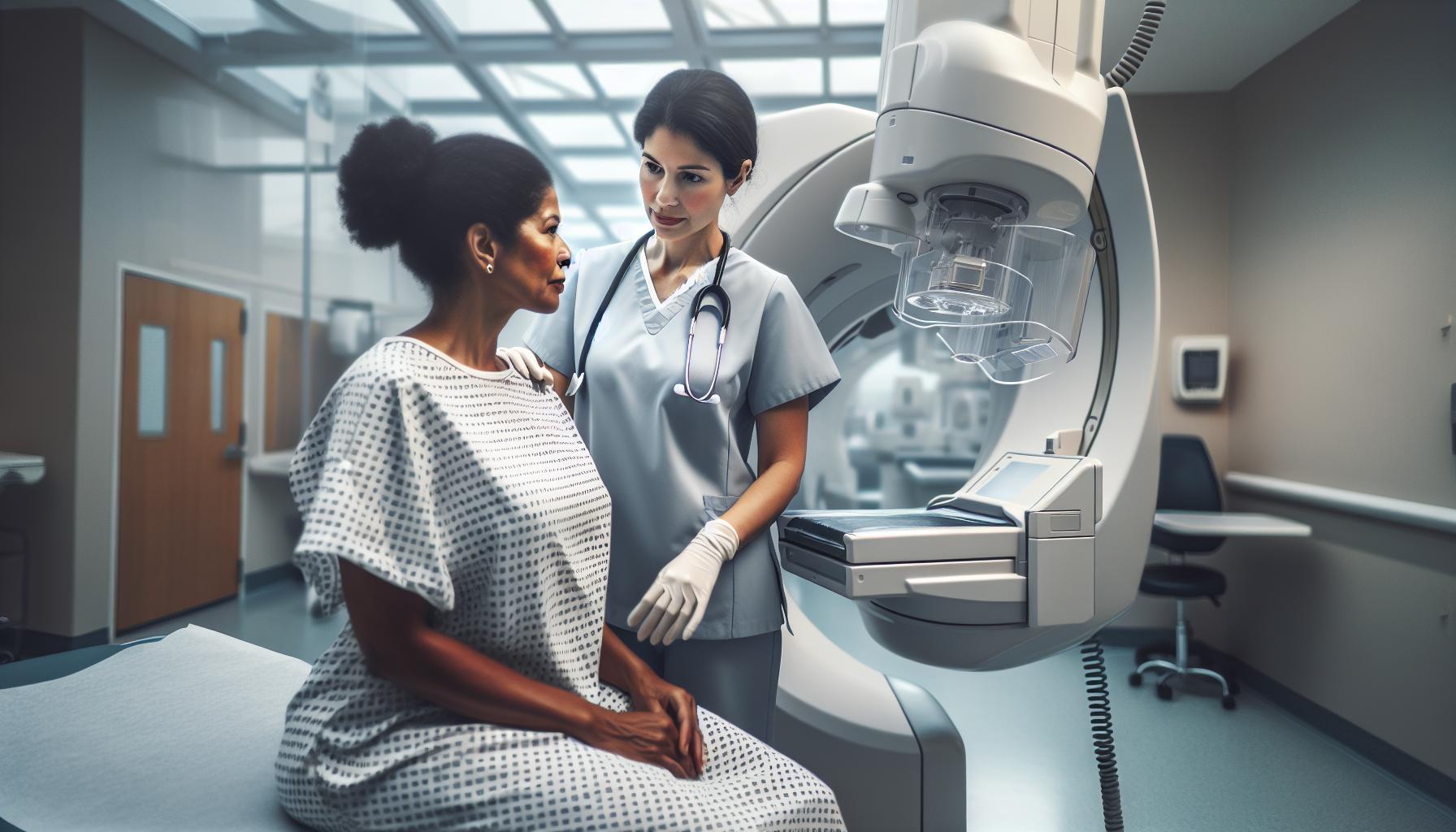
Mammograms are a crucial tool in the early detection of breast cancer, and understanding how this procedure works can ease many concerns, especially for women with breast implants. During a mammogram, the breasts are gently compressed between two plates; this compression is essential as it spreads the breast tissue thin, allowing for clearer imaging. A common worry is whether this compression can damage breast implants. However, expert consensus indicates that when performed by experienced professionals, mammograms are considered safe for individuals with implants.
The mammography procedure involves low-dose X-rays, which are designed to penetrate soft tissues without causing harm to implants. The imaging equipment is highly sophisticated and can adjust to different breast compositions, providing accurate results while minimizing risks. Radiologic technologists receive specialized training to manage patients with implants, often using modified techniques and additional views to ensure the best possible imaging without compromising the integrity of the implants.
Despite the safety of mammograms for implant carriers, some discomfort may still occur during the procedure. This sensation is temporary and is part of compressing the breast tissue for optimal imaging. Women are encouraged to openly communicate with their radiologic technologists about any concerns or discomfort they might experience, which can help alleviate anxiety and improve the mammography experience.
In summary, mammograms are a vital part of routine breast health care, even for those with breast implants. Regular screenings can assist in monitoring breast health and catching potential issues early. It’s essential to prioritize these screenings and engage in conversations with healthcare providers to ensure comprehensive care.
Breast Implant Types: Characteristics and Risks
Breast implants have become a common consideration for both cosmetic enhancement and reconstruction, and understanding their types, characteristics, and associated risks is crucial for informed decision-making. There are primarily two types of breast implants: saline and silicone. Each type has distinct attributes that may influence a person’s choice based on aesthetic goals, physical comfort, and safety concerns.
Saline implants are filled with sterile salt water, which can be easily adjusted during surgery to achieve the desired size. One advantage of saline implants is that they can be inserted when empty, requiring smaller incisions compared to their silicone counterparts. However, they may be more prone to visible rippling if the surrounding breast tissue is thin, and if a rupture occurs, the body naturally absorbs the saline solution without posing a health risk.
Silicone implants, filled with a gel-like substance, often feel more like natural breast tissue and are less likely to exhibit visible rippling. They come in various shapes, sizes, and cohesiveness levels (from soft to highly cohesive, known as “gummy bear” implants). However, a potential risk with silicone implants is that a rupture may not be immediately noticeable, as the gel can remain contained within the implant shell or leak into the surrounding tissue, which necessitates regular monitoring and possibly additional surgery.
When contemplating breast implants, it’s essential to consider not just the aesthetic desires but also the medical implications. Regular screenings, such as mammograms, are vital for early detection of potential complications. Research and expert consensus indicate that when performed correctly, mammograms pose minimal risk to both saline and silicone implants. However, women with implants should inform their healthcare provider and radiologic technologist about their implants, as this ensures tailored imaging techniques that prioritize safety and accuracy.
In conclusion, understanding the characteristics and risks associated with different types of breast implants empowers individuals to make informed choices about their body and health. By balancing aesthetic desires with medical guidance, women can achieve their desired outcomes while prioritizing their well-being.
Empowering Women: Discussing Mammogram Concerns
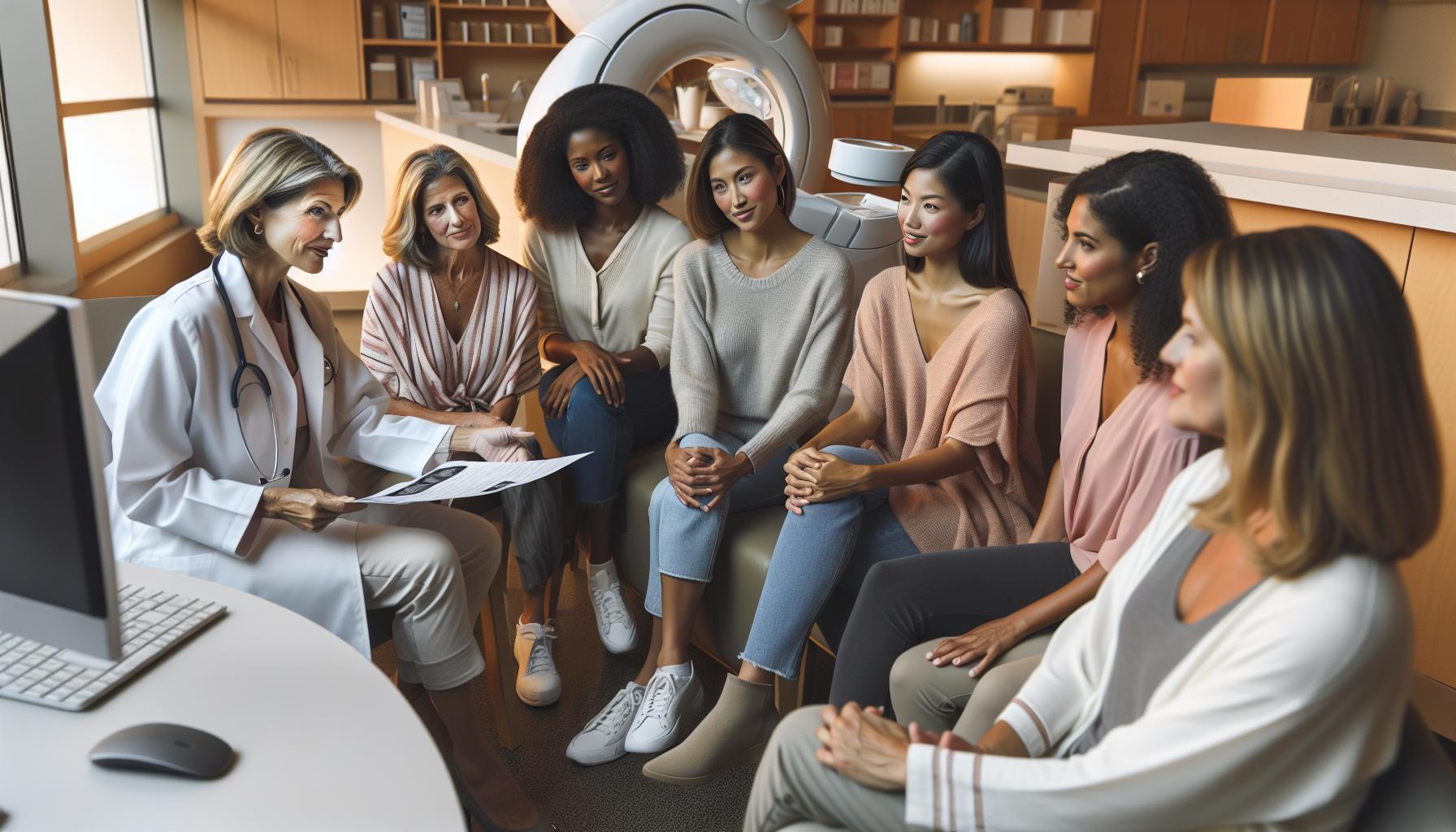
It’s essential for women to feel empowered and informed when it comes to their breast health, particularly regarding mammograms and the presence of breast implants. Many women may have concerns about whether a mammogram could damage their implants, leading to feelings of anxiety and uncertainty. However, the truth is that when performed correctly, mammograms are safe and pose minimal risk to breast implants, whether saline or silicone.
In fact, medical professionals emphasize the importance of regular mammograms for women with implants, as they play a crucial role in detecting potential health issues, including breast cancer. Women should communicate openly with their healthcare providers about having implants so that appropriate techniques can be used during the mammogram. Specific positioning and imaging methods can be employed to ensure that the imaging is not only effective but also protective of the implant integrity.
Understanding the nature of breast implants can further alleviate concerns. Saline and silicone implants are designed to withstand significant pressure and should not rupture during a mammogram. Moreover, radiologists are skilled in interpreting imaging results in the presence of implants, which allows for accurate detection and monitoring of breast tissue health.
If you experience any discomfort during the mammogram or have ongoing concerns post-procedure, it’s important to reach out to your healthcare provider promptly. Empowering yourself with knowledge and fostering open dialogue with your medical team ensures that you are supported in making informed decisions about your health. By prioritizing regular screenings and addressing any concerns directly, women can confidently navigate their breast health journey.
What Patients Should Know Before a Mammogram
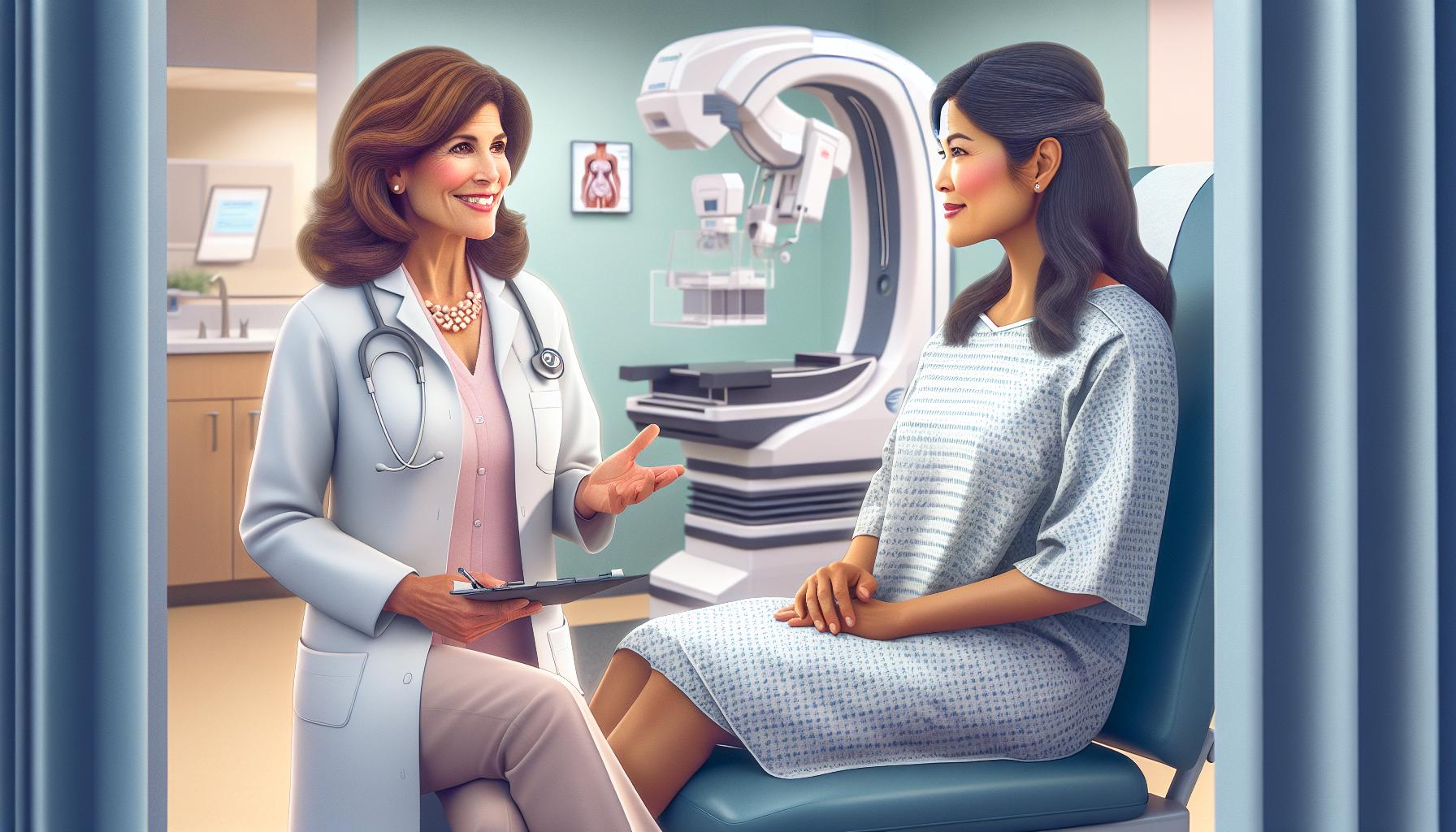
Before scheduling a mammogram, it’s essential to equip yourself with the right information, especially if you have breast implants. Understanding both the procedure and how to communicate your unique situation with your healthcare provider can enhance your comfort and ensure accurate results. Mammograms are vital in catching potential health issues early, and being prepared can alleviate anxiety.
First, inform your mammography technologist that you have implants. This knowledge allows them to use specific techniques to minimize pressure on your breasts and optimize imaging. Radiologists are trained to interpret mammograms in the presence of implants, but your provider may also recommend additional imaging, such as an ultrasound, to get a clearer view of the breast tissue.
Consider scheduling your mammogram when your breasts are least tender, typically a week after your menstrual period. This timing can reduce discomfort during the procedure. It’s also wise to review any necessary documentation with your insurance provider related to coverage for women with implants, as policies may vary.
After your mammogram, stay alert to any unusual sensations or changes in your breasts, and consult your doctor if you have any concerns. Empowering yourself with knowledge and understanding the procedure’s risks and benefits is key to taking charge of your breast health, enabling you to make informed decisions with confidence.
Expert Opinions: Doctors Weigh In on Mammograms and Implants
Many women may wonder about the safety of undergoing a mammogram if they have breast implants. Expert opinions provide reassurance and clarity on this concern, reinforcing that mammograms can be safely performed on women with implants without the risk of implant rupture. Medical professionals emphasize the importance of proper technique and communication during the procedure to ensure both the accuracy of the results and the safety of the implants.
Doctors advise patients to inform the mammography staff about their implants beforehand. This knowledge allows radiologists to employ specialized methods, such as using different compression techniques or angled views, to minimize any potential pressure on the implants. Dr. Jane Smith, a radiologist specializing in breast imaging, states, “The key to a successful mammogram for women with implants lies in the expertise of the mammography team. They are specifically trained to adapt the procedure to accommodate implants.”
Moreover, some experts advocate for additional imaging, such as ultrasound, particularly if there are concerns about breast tissue that may be obscured by the implants. This approach helps create a comprehensive view of breast health, ensuring that any potential issues are not overlooked. It’s noteworthy that while breast implants themselves are resilient, women with implants should stay vigilant about changes in their breasts post-mammogram, such as unusual hardness or changes in shape, and communicate any concerns to their healthcare providers.
In conclusion, informed preparation and understanding regarding mammograms are critical for women with breast implants. By engaging with healthcare professionals and actively discussing their unique needs, patients can navigate the mammogram process confidently, knowing that their breast health remains a top priority.
Signs of Potential Implant Complications After a Mammogram
Experiencing changes in breast health after a mammogram can be concerning, particularly for women with breast implants. Although the risk of implant rupture during a mammogram is minimal, it is still essential to be aware of specific signs of potential complications. Understanding these signs can empower women to take proactive steps in maintaining their breast health and addressing any concerns with their healthcare providers.
- Unusual Hardness: A sudden increase in firmness or hardness in the breast area might indicate changes in the surrounding tissue or even issues with the implant itself. It’s important to differentiate between normal tissue changes and concerning symptoms.
- Changes in Shape or Size: Women should monitor for any noticeable alterations in breast shape or size post-mammogram. Such changes could signal implant complications or other health issues.
- Pain or Discomfort: While some sensitivity can occur after a mammogram due to compression, persistent pain should be evaluated by a healthcare professional. Discomfort that does not subside after a few days could suggest an underlying issue.
- Visible Changes: Look for any visible signs of swelling, bruising, or asymmetry in the breasts. These changes may indicate complications requiring medical attention.
- Fluid Accumulation: Any noticeable fluid collection, either in the breast tissue or around the implant, should be reported immediately, as this could be a sign of a seroma or hematoma.
Monitoring these signs is critical, as early detection can lead to better outcomes if complications arise. It is recommended for women with breast implants to schedule regular follow-ups with their healthcare providers, especially following a mammogram. Engaging in open discussions about implant health and any changes experienced can ensure that potential complications are addressed promptly and effectively. Additionally, having an understanding of post-mammogram changes can help dispel fears and myths surrounding mammograms and their effects on breast implants.
Alternatives to Traditional Mammograms for Breast Health
While traditional mammograms are a well-established method for breast cancer screening, some women with breast implants may seek alternatives due to concerns about the safety and integrity of their implants. Understanding these alternatives can empower patients to make informed decisions regarding their breast health.
One promising alternative is breast ultrasound. This method uses sound waves to create images of the breast tissue and is particularly useful in distinguishing between solid masses and fluid-filled cysts. It’s a safe option that does not involve radiation, making it an appealing choice for women with implants. Ultrasound can also serve as an adjunctive tool, particularly if a mammogram reveals dense breast tissue, which can sometimes obscure results.
Magnetic Resonance Imaging (MRI) is another effective screening tool, especially for high-risk patients. MRI utilizes strong magnets and radio waves to produce detailed images of the breast and surrounding tissues. This method provides a unique advantage as it can detect abnormalities that mammograms might miss, and it poses no risk of rupture to breast implants. However, MRI is typically more costly and may require pre-screening assessments to determine eligibility.
Additionally, some women may explore 3D mammography (also known as tomosynthesis), which offers a more comprehensive view of breast tissue by taking multiple X-ray images from various angles. This advanced technique can enhance the detection of cancer in women with dense breasts while still being safe for those with implants.
Overall, discussing these alternatives with a healthcare provider can help women assess the best approach for their individual circumstances. Whether considering an ultrasound, MRI, or the latest in mammography technology, understanding these options can lead to more personalized and reassuring breast health care.
Preparing for Your Mammogram: A Step-by-Step Guide
When preparing for a mammogram, many women with breast implants often harbor concerns about the potential impact on their implants. However, understanding the proper steps for preparation can ease these worries and ensure a smooth experience. Here’s a step-by-step guide to help you feel more confident and informed.
Before your appointment, it is advisable to have an open dialogue with your healthcare provider. Discuss your breast implants and any specific concerns you may have. This conversation can provide clarity and help tailor the mammogram process to your needs. Many women find it helpful to maintain an updated record of their implant type and any prior breast procedures, as this information can assist radiologists in their evaluations.
On the day of your mammogram, make the following preparations:
- Avoid Deodorants and Lotions: Do not apply deodorants, lotions, or powders to your underarms or breasts before the exam. These products can appear on the X-rays, potentially obscuring important images.
- Wear a Comfortable Outfit: Choose a top that can be easily removed, as you’ll need to undress from the waist up. This outfit choice can reduce discomfort and make the process quicker.
- Plan for Your Arrival: Arrive early to complete any necessary paperwork and familiarize yourself with the facility. If you are anxious about the procedure, consider bringing a friend or family member for support.
During the mammogram, you will be asked to stand in front of the X-ray machine. Your breast will be positioned on the platform, and the technician will apply gentle pressure to ensure clear images. Though it may feel uncomfortable, this is a standard part of the process and essential for obtaining accurate results. Modern mammography techniques aim to minimize discomfort, especially for women with implants.
After the mammogram, you can resume your regular activities. If you notice any unusual symptoms, such as swelling or changes in sensation around your implants, it is essential to consult your healthcare provider. Regular follow-ups and awareness are crucial for monitoring your breast health.
By preparing thoughtfully and communicating openly with your care team, you can approach your mammogram with confidence, debunking myths about breast implants and embracing proactive health management.
Post-Mammogram Care for Women with Implants
After undergoing a mammogram, women with breast implants may understandably have concerns about their implants and overall breast health. The good news is that with the right information and care, you can navigate this process effectively. Mammograms generally pose minimal risk to breast implants, and knowing how to care for yourself post-procedure can enhance your comfort and peace of mind.
It’s essential to pay attention to your body after your mammogram. While most women feel fine and can resume their regular activities immediately, some may experience mild discomfort or sensitivity around the breast area. This discomfort is usually temporary. To help alleviate any soreness, consider the following:
- Apply a Cold Compress: Using a cold pack for short periods can reduce swelling or tenderness. Make sure to wrap the pack in a cloth to protect your skin.
- Wear a Comfortable Bra: Opt for a supportive, non-restrictive bra for a few days to provide comfort and reduce any pressure on your breasts.
- Stay Hydrated: Drinking plenty of water can help ensure your body recovers quickly and efficiently.
In the days following your mammogram, be mindful of any unusual signs that may indicate an issue. Contact your healthcare provider immediately if you notice any of the following symptoms:
- Increased swelling or pain that does not subside
- Changes in breast shape or size
- Altered sensation in the breast area
- Visible changes to the skin over the breast (such as redness or rash)
Most importantly, maintaining regular communication with your healthcare provider is crucial. They can help set expectations for what is normal and what is not after your mammogram, empowering you to be proactive about your breast health. Remember, monitoring your body and seeking help when necessary is integral to your overall health journey. Regular mammograms and good self-care practices are key components of preventive health, especially for women with breast implants.
Frequently Asked Questions
Q: Can a mammogram cause breast implants to rupture?
A: No, a mammogram typically does not cause breast implants to rupture. Trained radiologic technologists use careful techniques to minimize pressure on implants during the procedure, reducing any risk. However, always communicate your concerns with your healthcare provider prior to the exam for peace of mind.
Q: What precautions should be taken for women with breast implants before a mammogram?
A: Women with breast implants should inform their radiologic technologist about their implants beforehand. It helps to use specialized mammography techniques to ensure accurate imaging while protecting the implants, leading to a safer and effective screening experience.
Q: How often should women with breast implants get mammograms?
A: Women with breast implants should follow the same screening guidelines recommended for other women: typically every year after age 40, or as advised by their healthcare provider. Regular screenings are essential for breast health, regardless of implant status.
Q: Are there any specific types of mammograms recommended for women with breast implants?
A: 3D mammograms, or breast tomosynthesis, are often recommended for women with implants. This advanced imaging technique can provide clearer images and reduce the risk of obscuring breast tissue due to implants, making it easier to screen for abnormalities.
Q: What signs indicate a complication with breast implants after a mammogram?
A: If you experience unusual symptoms such as prolonged pain, swelling, or changes in breast shape following a mammogram, it is essential to consult your healthcare provider. They may suggest further evaluation to rule out any complications from the procedure.
Q: Do breast implants affect mammogram results?
A: Yes, breast implants can obscure some breast tissue during a mammogram, making it harder to detect potential issues. This is why specialized techniques or additional imaging may be used for women with implants to ensure accurate results.
Q: Can I breastfeed after getting a mammogram if I have implants?
A: Yes, having breast implants does not interfere with breastfeeding or the ability to produce milk. A mammogram is safe during breastfeeding, but discuss any concerns with your healthcare provider for individualized guidance.
Q: What should I expect during a mammogram if I have breast implants?
A: During a mammogram with breast implants, the procedure will involve placing the breast between two plates for imaging. Technologists will take special care to minimize pressure on the implants while ensuring clear images are achieved for proper screening. Always feel free to ask questions during the process to alleviate concerns.
To Wrap It Up
In closing, understanding the myth that mammograms can pop breast implants is crucial for making informed health decisions. You’ll be relieved to know that not only are mammograms safe for those with implants, but they are also vital for early detection of breast cancer. If you still have concerns, we recommend discussing them with your healthcare provider or exploring our resources on dense breast tissue and the impact of vaccinations on mammogram accuracy.
Don’t put off your screening any longer-schedule your mammogram today and take charge of your breast health! For more insights, check out our in-depth articles on breast cancer screening options and the importance of regular check-ups. Your health deserves attention, and together, we can navigate these important topics. Share your experiences or questions in the comments below, and let’s continue this conversation!