
As you consider enhancing your smile with lip injections, understanding the maintenance schedule is crucial for achieving and maintaining the best results. Many people are surprised to learn that lip fillers typically last between six to twelve months, depending on various factors such as the type of filler, individual metabolism, and lifestyle. This raises essential questions: How often should you schedule follow-up appointments? What should you expect during maintenance?
Navigating the world of lip fillers can feel overwhelming, especially with so many conflicting opinions and experiences available. This guide is designed to provide clarity and empower you to make informed decisions about your aesthetic journey. We’ll explore key insights into the longevity of lip injections, the importance of regular maintenance, and practical tips to ensure your lips look their best. Continue reading to discover how a mindful approach to lip filler treatments can help you achieve your desired look sustainably and with confidence.
How Lip Injections Work: A Brief Overview

The desire for fuller, more defined lips has led many to consider lip injections as a cosmetic option. At its core, the process involves the introduction of dermal fillers-most commonly hyaluronic acid-into the lip area to enhance volume, shape, and overall aesthetics. Hyaluronic acid is a naturally occurring substance in the body that helps maintain skin hydration and plumpness, making it a popular choice for lip augmentation. The procedure typically takes less than an hour and can be performed in a physician’s office with minimal downtime.
During the treatment, the injector carefully administers the filler using fine needles. This requires an understanding of facial anatomy and aesthetic principles to achieve natural-looking results. Patients often experience minor swelling or bruising post-injection, but these effects generally subside within a few days. Results are usually immediate, allowing individuals to see their improved appearance right away. However, it’s essential to consider that while the impact of lip fillers is instantly visible, their longevity varies depending on multiple factors.
Several factors influence how long the effects of lip injections last. These include the type and amount of filler used, individual metabolism, lifestyle choices, and how well one follows aftercare recommendations. Typically, most lip fillers last between six to twelve months, necessitating a maintenance schedule for optimal results. Regular touch-ups are recommended to keep lips looking fresh and full, with most individuals visiting their injector every six to twelve months for follow-up treatments [[1]](https://berlinbeautynj.com/lip-filler-maintenance-how-often-should-you-revisit-your-injector/) [[2]](https://www.spamedica.com/blog/how-long-does-lip-filler-last/) [[3]](https://coastalmedicalspa.com/after-care-for-lip-fillers/).
Understanding the Lip Injection Process
The lip injection process is a nuanced blend of artistry and science, central to achieving the desired aesthetic results. One of the most popular methods involves the use of hyaluronic acid-based fillers, which are designed to enhance volume, contour, and definition of the lips. The allure of this treatment lies not just in its ability to provide fuller lips but also in how quickly and effectively the results can be seen-often immediately after the procedure.
During the treatment, a trained injector uses a fine needle to administer the filler into key areas of the lips. This technique requires a deep understanding of facial anatomy, as the injector must skillfully maneuver the needle to avoid nerves and blood vessels, ensuring both safety and optimal outcomes. The procedure typically lasts less than an hour, and while patients may experience minor swelling or bruising post-treatment, these effects generally resolve within a few days. Importantly, the immediate results set the stage for a satisfying transformation, allowing individuals to enjoy their enhanced appearance without a lengthy recovery period.
Factors influencing the longevity of lip injections include the type of filler used, the injection technique, and individual patient differences such as metabolism and skin type. For example, thicker fillers might last longer than thinner ones. On average, patients can expect their results to last between six to twelve months, necessitating a maintenance schedule that often involves return visits to the injector. This schedule is crucial as it not only helps maintain the youthful appearance of the lips but also allows for adjustments based on changes in the lips’ volume and definition over time.
Setting realistic expectations is vital; while lip fillers can achieve significant enhancements, they are not permanent solutions. Understanding the process, including the potential for touch-ups and the importance of skilled placement, can empower individuals to make informed decisions about their lip enhancement journey. This awareness fosters a positive experience and helps individuals appreciate the artistry involved in achieving their ideal lip aesthetics.
Factors Influencing Lip Injection Longevity
The longevity of lip injections can be a pivotal factor in ensuring satisfaction with the results. Several elements come into play that dictate how long the effects of the treatment will last. First, the type of filler utilized plays a significant role; for instance, hyaluronic acid fillers such as Juvederm Ultra XC are often reported to last around 6-12 months, while Restylane Kysse may also provide results within that same timeframe but can vary based on specific application methods [[2]].
Individual patient factors are equally important. Every person’s body metabolizes substances differently, affecting how long the filler remains effective. Factors such as age, skin type, and overall health can influence the body’s metabolism of the fillers, with younger patients often experiencing longer-lasting results due to more robust metabolic functions. Similarly, lifestyle choices-including smoking, sun exposure, and hydration levels-can impact the durability of the results. For instance, staying well-hydrated can help maintain skin elasticity, potentially extending the life of lip fillers.
Understanding that filler longevity may also depend on the technique employed by the injector is crucial. Highly skilled injectors who use advanced techniques can achieve smoother, longer-lasting results. Furthermore, aftercare practices post-injection play a vital role; avoiding strenuous exercise and aggressive skincare treatments shortly after the procedure can help maintain the integrity of the fillers.
In light of these considerations, patients should approach their treatment with realistic expectations. While fillers can effectively enhance the lips, understanding that regular maintenance visits-typically every 6 to 12 months-are necessary to sustain optimal results will foster greater satisfaction with the enhancement journey.
Typical Maintenance Schedule for Lip Injections
Maintaining the results of lip injections requires a thoughtful approach and planning for regular follow-ups. Typically, the effects of lip fillers last anywhere from 6 to 12 months, depending on various factors, such as the type of filler used, the expertise of the injector, and individual patient characteristics. Understanding a maintenance schedule is essential for those wishing to enjoy full, plump lips consistently.
Most practitioners recommend a routine check-in about every 6 to 12 months post-injection. During these follow-up appointments, the injector can assess how well the filler has settled and determine if a touch-up is necessary. For instance, patients who have received hyaluronic acid fillers, known for their natural integration into the tissue, may find that their results maintain well, while others might notice a quicker diminishment in volume due to their unique metabolism or lifestyle factors such as exposure to sun or smoking.
After an initial injection, many clinics suggest scheduling a follow-up session 2 to 4 weeks later to evaluate the results. This initial check-in can address any concerns about swelling or asymmetry that may become evident after the fillers have settled. Following this, the patient should plan for maintenance visits more regularly, adapting to how their body metabolizes the filler and discussing any changes they desire with their injector.
In summary, a proactive maintenance schedule is key to enjoying the aesthetic benefits of lip injections. Regular evaluations not only help sustain results but also foster a strong patient-practitioner relationship where individual goals and expectations can be continually aligned. Incorporating lifestyle factors and ensuring a proper timeline for touch-ups will lead to a more satisfying experience with lip enhancement.
Signs You Need a Touch-Up
Determining when to schedule a touch-up for your lip fillers can be essential for maintaining that sought-after fullness and shape. As time goes on, the effects of lip fillers can diminish due to a variety of factors, including metabolism, lifestyle choices, and the specific type of filler used. Paying attention to certain signs can help you decide when it’s time to consider a maintenance appointment.
One clear indicator that it may be time for a touch-up is when you start to notice a decrease in volume or definition in your lips. If your once plump lips start to appear less pronounced, and the contours you’ve carefully sculpted seem to fade, that’s a good sign you should consult with your injector. Additionally, if you observe asymmetry – where one lip looks fuller than the other – this can also be a prompt for a touch-up. It’s crucial to communicate any concerns about unevenness during your follow-up visits, as slight adjustments can often restore balance effectively.
Another aspect is how comfortable you feel with your lip enhancements. If you find yourself constantly applying lip products to create an illusion of fullness or if you’re dissatisfied with the appearance of your lips, a touch-up could realign your look with your expectations. Furthermore, if you’ve experienced significant lifestyle changes such as weight loss or changes in diet, these can influence your lip volume and might warrant a reevaluation with your injector.
Ultimately, the decision to get a touch-up should be proactive rather than reactive-having a conversation with your injector about your desired outcomes and how your lips have changed over time will pave the way for the best aesthetic results. Cultivating this relationship ensures that your enhancements continue to meet your personal standards and feel natural. While every individual’s experience varies, being attentive to these signs can guide you in maintaining beautiful, fuller lips with confidence.
Comparing Different Types of Lip Fillers
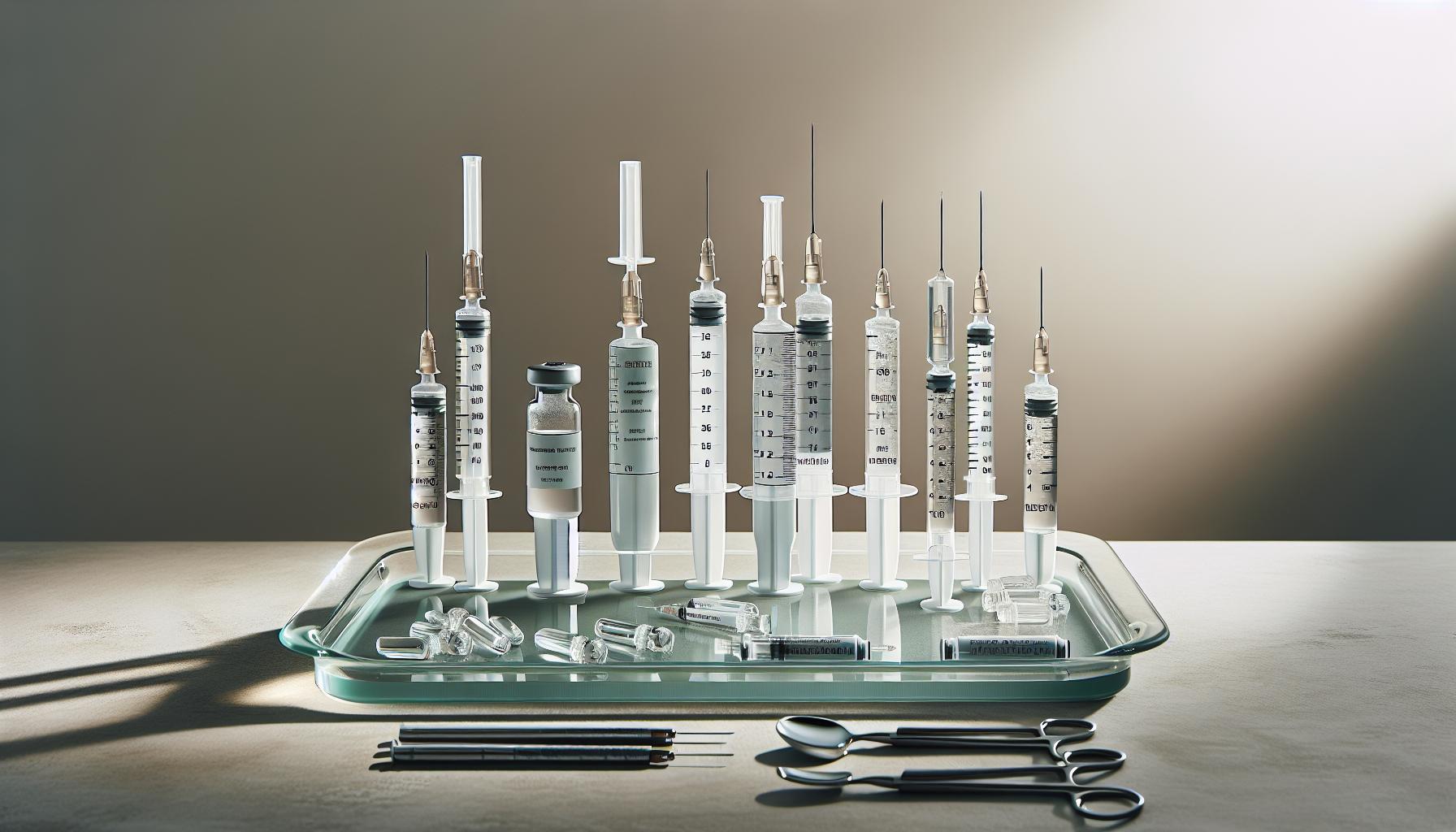
The world of lip fillers is diverse, offering various options to achieve the desired look while meeting individual preferences and anatomical differences. Each type of filler has unique properties that can influence not only the aesthetic outcome but also the longevity of the results. Understanding these differences is crucial for making informed decisions about your lip enhancement journey.
The most commonly used lip fillers are hyaluronic acid (HA) injectables, such as Juvederm and Restylane. These products are favored due to their ability to hold moisture, providing a natural fullness that can be subtle or pronounced, depending on the technique and amount used. One of the benefits of HA fillers is that they are typically reversible; an enzyme called hyaluronidase can be used to dissolve the filler if desired. Depending on the specific product, results with HA fillers can last between six to twelve months, necessitating regular touch-ups to maintain desired volume.
Another option includes collagen-based fillers, which are less commonly used today but were once the gold standard. These fillers tend to provide a firmer texture and longer-lasting results-often up to a year. However, they carry a higher risk of allergic reactions, making them less appealing to many patients. Newer innovations include semi-permanent fillers like Bellafill, which offers more extended duration but comes with greater risks and potential complications, warranting thorough consultations with qualified injectors.
When considering fillers, it’s also essential to factor in recovery time and safety. Most HA fillers require minimal downtime, with potential swelling and bruising that typically resolve within a few days. In contrast, longer-lasting fillers might involve more complex recovery and follow-up, as the potential for adverse reactions increases with longevity.
Here’s a quick comparison of popular lip fillers:
| Type of Filler | Duration | Texture | Reversibility | Risk of Allergic Reaction |
|---|---|---|---|---|
| Hyaluronic Acid (e.g., Juvederm, Restylane) | 6-12 months | Soft and pliable | Yes | Low |
| Collagen-based Fillers | Up to 1 year | Firm | No | Moderate |
| Semi-permanent Fillers (e.g., Bellafill) | 1-5 years | Variable | No | Higher |
In conclusion, choosing the right lip filler involves weighing factors like desired longevity, texture, and potential risks. Consulting with a qualified injector can help you navigate these options, ensuring that your choices align with your aesthetic goals while also minimizing risks. This thoughtful approach not only enhances your lips but also keeps your expectations realistic throughout your lip enhancement journey.
Managing Expectations: Results and Duration

Achieving your desired lip appearance through fillers is an exciting journey, but it’s essential to maintain realistic expectations about the results and how long they will last. While many people seek lip fillers to enhance their natural beauty, the longevity of results can vary significantly based on multiple factors. Understanding these influences can help you enjoy a more satisfying experience.
On average, hyaluronic acid fillers like Juvederm and Restylane provide results lasting between 6 to 12 months. This duration can be affected by individual metabolism, activity level, and even the specific product used. For instance, active individuals may metabolize these fillers more quickly due to increased circulation. Additionally, body factors such as skin elasticity and age might also impact how long the filler retains its effectiveness. It’s vital to discuss these aspects with your injector to set appropriate timelines and understand what to expect after treatment.
Regular touch-ups are important for maintaining your enhanced lips. Scheduling follow-up appointments every 6 to 12 months ensures consistent results. If you find that your fillers are fading faster than anticipated, it may be helpful to consult with your injector about adjusting the type or amount used in future sessions. Keep in mind that while some fillers provide temporary results, others can offer more lasting effects. Therefore, knowing your options ahead of time can help align your aesthetic goals with the necessary maintenance.
Managing expectations also includes understanding that initial filler results can appear significantly more dramatic due to swelling, which typically resolves within a few days. Once the swelling subsides, you may notice a more subtle, natural look, which can be beneficial as it allows for adjustments during touch-up visits. Remember that every lip enhancement journey is personal; personal preferences, lifestyle choices, and regular skincare play a significant role in how long and how well your fillers perform.
In conclusion, approaching your lip filler treatment with knowledge about expected results, duration, and maintenance will empower you to make informed decisions that align with your desires. Your injector can provide valuable insights tailored to your unique situation, ensuring a more satisfying and confidence-boosting experience.
Cost Considerations for Lip Injections

Considering lip injections involves not just aesthetic desires but also financial implications. Understanding the costs associated with various lip enhancement treatments is crucial for making informed decisions that align with your budget and beauty goals. On average, the price for lip fillers varies significantly based on several factors, including the type of filler used, the injector’s experience, and the geographical location of the clinic.
Hyaluronic acid fillers, such as Juvederm or Restylane, typically range from $500 to $1,500 per syringe. It’s worth noting that most patients require at least one syringe to achieve desired results, though some may need more for added volume or correctional needs. It’s essential to remember that these costs can accumulate over time, especially since maintenance appointments are generally recommended every 6 to 12 months to sustain the results. Thus, budgeting for ongoing treatments becomes a vital consideration for those new to lip fillers.
Factors Affecting Cost
Several elements can influence the overall expense of lip injections:
- Injector Experience: Highly skilled injectors may charge more for their expertise. However, investing in an experienced provider can enhance outcomes and minimize risks.
- Filler Type: Different fillers have varying price points, and some products are exclusively available through certified practitioners, affecting overall costs.
- Location: Clinics in metropolitan areas or affluent neighborhoods typically charge higher fees than those in less populated regions.
- Consultation Fees: Initial consultations may incur additional charges, though some clinics offer these at no cost.
Payment Options and Financial Planning
Many providers offer payment plans or financing options, allowing patients to manage costs over time without an immediate out-of-pocket burden. It’s advisable to inquire about such plans during your consultation. Additionally, some medical spas and clinics may provide loyalty or referral programs that can help reduce costs for repeat customers.
Ultimately, understanding the financial aspects of lip injections can empower you to make decisions that accommodate both your beauty aspirations and your financial health. Setting realistic expectations about not only the appearance but also the ongoing costs associated with maintaining your enhanced lips is key to enjoying a positive experience in the long run.
Potential Risks and Safety Measures
The allure of fuller lips through cosmetic injections can be enticing; however, it’s essential to understand the associated with the procedure. While lip injections are generally considered safe, complications can arise, especially if the injections are not performed by a qualified professional. Common risks include allergic reactions to the filler, infection at the injection site, or uneven results due to improper technique.
To minimize these risks, choosing an experienced practitioner is crucial. A board-certified dermatologist or plastic surgeon with a focus on injectables can ensure proper technique and use of high-quality products. Always inquire about the practitioner’s qualifications and request to see before-and-after photos of their patients. Additionally, discussing your medical history openly can help your injector identify potential issues ahead of time.
Pre-Procedure Safety Measures
Before undergoing lip injections, consider the following safety measures:
- Consultation: Schedule a thorough consultation to discuss your expectations, any concerns, and to understand the injected fillers available.
- Review Medical History: Disclose any allergies, medications, or underlying health conditions to your provider to tailor your treatment safely.
- Research Products: Familiarize yourself with the types of fillers available (such as hyaluronic acid-based products) and their potential side effects.
Post-Procedure Care
After your lip injections, adhering to specific safety measures can aid in recovery and reduce the risk of complications:
- Avoid Touching: Refrain from touching or massaging your lips for at least 24 hours to prevent altering the filler placement.
- Ice Application: Use ice packs to minimize swelling and bruising for the first few hours after the procedure.
- Monitor Symptoms: Keep an eye out for unusual swelling, persistent pain, or signs of infection, such as fever or discharge, and contact your provider immediately if these occur.
Incorporating these precautions can help ensure a safe experience with lip filler injections, allowing you to achieve your desired aesthetic with confidence. Understanding the risks, preparing adequately, and following aftercare guidelines can lead to satisfactory results and a smoother recovery journey.
Recovery Tips After Lip Injections
After undergoing lip injections, you might be eager to show off your plump lips, but allowing your body the right conditions to heal is essential. The recovery period can significantly impact the outcome of your treatment, so following proper aftercare is key to ensuring the longevity of your results and minimizing complications.
To start, it’s crucial to stay hydrated. Drinking plenty of water not only helps to alleviate swelling but also supports the overall healing process. Incorporating hydrating fruits and vegetables, such as cucumbers and watermelon, into your diet can enhance your recovery further [1].
Additionally, avoid consuming excess salt, as it can lead to water retention and increased swelling. Taking care of your lips after the procedure includes steering clear of alcohol for at least 24-48 hours, as it can exacerbate swelling and lead to bruising [3]. Moreover, resist the urge to touch or massage your lips for the first 24 hours, as this could potentially displace the filler and affect the final aesthetic. For those first few hours, applying ice packs intermittently can help reduce any immediate swelling and discomfort.
Engaging in vigorous exercise or exposure to extreme heat, such as hot baths or saunas, should also be avoided for at least 48 hours post-treatment. These activities can increase blood flow to your face and exacerbate swelling. Instead, consider gentle relaxation methods like light walking or meditation to assist your recovery without putting pressure on your lips.
Ultimately, following these recovery tips will not only improve your comfort during the healing period but also help maximize the longevity and appearance of your lip fillers. By managing these initial days post-injection with care, you set the stage for a beautiful and balanced final result.
Exploring Alternative Options for Lip Enhancement
When considering enhancements for your lips, it’s essential to explore all available options to find the one that best suits your desires and lifestyle. While traditional lip injections using hyaluronic acid fillers are popular for their immediate effects and manageable maintenance schedule, there are several alternatives worth investigating that can provide natural-looking results and potentially longer-lasting effects.
One noteworthy option is fat transfer, where your own body fat is harvested from another area, such as the abdomen or thighs, and injected into your lips. This method not only enhances volume but may also offer a more natural feel since it’s derived from your own tissue. Additionally, fat transfer typically produces results that last longer than fillers, though it does come with its own set of considerations, including a more complex procedure and a slightly longer recovery time.
Another alternative is surgical procedures, such as a lip lift, where excess skin is removed from the lip area to achieve a fuller appearance. This method is particularly appealing for individuals looking for permanent results. However, it’s crucial to have realistic expectations regarding recovery and visibility of scars, which can be more pronounced than those from injectable options.
For those looking to avoid surgery or injections entirely, dermal treatments like Microdermabrasion or Laser Resurfacing can reshape and rejuvenate the lip area without adding volume. These treatments focus on improving skin texture and reducing fine lines around the lips, resulting in a refreshed look.
In addition to these procedures, it’s vital to manage your expectations and fully understand the benefits and risks associated with each option. Consulting with a qualified professional can help tailor a plan specific to your aesthetic goals and ensure the safest approach for achieving the desired outcome. Each alternative carries varying costs and maintenance schedules, making it essential to consider not just the immediate effects but also long-term care for sustained results.
Long-Term Care for Sustained Results
To achieve lasting results from lip injections, consistent long-term care is essential. This encompasses a blend of follow-up treatments, strategic skin care, and lifestyle choices that support the integrity and appearance of your lips. By understanding what affects the longevity of your results and actively participating in your care, you can help maximize the aesthetic benefits of your lip fillers.
Follow-Up Treatments
Typically, lip fillers made from hyaluronic acid will gradually break down over time, necessitating maintenance injections to preserve volume and shape. Most clients opt for touch-ups every 6 to 12 months, though this can vary based on individual metabolism, the type of filler used, and personal cosmetic goals. Scheduling a follow-up appointment allows your practitioner to assess the state of your lips and recommend an appropriate treatment plan.
Daily Skincare Routine
Maintaining a good skincare routine is pivotal for prolonging the results of your lip injections. Consider the following tips to enhance the health and appearance of your lips:
- Hydration: Keep your lips hydrated using lip balms that contain hyaluronic acid or natural oils.
- Sun protection: Use SPF lip products to prevent sun damage, which can cause premature aging and volume loss.
- Avoid irritants: Steer clear of products with strong fragrances or irritating ingredients to maintain skin integrity.
Lifestyle Considerations
Lifestyle choices play a significant role in the appearance of your lips. Here are some recommendations to integrate into your daily life:
- Stay hydrated by drinking plenty of water throughout the day.
- Maintain a balanced diet rich in antioxidants and vitamins, which support skin health.
- Avoid smoking, as it can lead to dullness and premature aging of the skin around the lips.
Incorporating these practices not only helps sustain the results of your lip injections but also contributes to overall skin health. By remaining proactive and mindful about your lip care, you can enjoy fuller, healthier-looking lips while minimizing the need for frequent touch-ups.
FAQ
Q: How often should I get lip fillers to maintain results?
A: Generally, lip fillers last about six months to a year, depending on the type used and individual metabolism. To maintain optimal results, plan for touch-ups every six to twelve months, based on how your body reacts. Consult your provider for personalized recommendations.
Q: What factors affect how long lip fillers last?
A: Lip fillers’ longevity can be influenced by factors such as the type of filler, injection technique, individual metabolic rate, and lifestyle choices. Staying hydrated, following a healthy diet, and avoiding smoking can help prolong their effects.
Q: Are there signs I need a lip filler touch-up?
A: Signs that indicate a touch-up may be needed include noticeable volume loss, unevenness, or a decrease in the desired shape. If you notice these changes, it’s best to consult your injector to determine if it’s time for a maintenance appointment.
Q: Can I get lip fillers more frequently if I want bigger lips?
A: While you can increase the amount of filler during touch-ups, it is important to adhere to a recommended schedule to avoid overcorrection. Consult with your injector about the best approach to achieve your desired look without compromising safety.
Q: What happens if I wait too long between lip filler appointments?
A: Waiting too long may result in losing the desired lip volume and shape, requiring more product for correction than if regular maintenance had been followed. It’s best to maintain a consistent schedule to ensure a gradual and natural enhancement.
Q: Will my body get used to lip fillers over time?
A: Some individuals may notice that lip fillers seem to last longer with subsequent treatments. This could be due to your body adjusting or your injector using a different technique. Regular maintenance can also enhance the overall results.
Q: How can I extend the life of my lip fillers?
A: To extend the life of your lip fillers, stay hydrated, avoid excessive sun exposure, and follow a balanced diet. Additionally, adhere to your injector’s aftercare recommendations and schedule touch-ups accordingly.
Q: Is it safe to combine lip fillers with other treatments?
A: Yes, it is often safe to combine lip fillers with treatments like Botox or facial fillers, but always consult your practitioner first. They can provide guidance on the best combination treatments for your goals, ensuring safety and efficacy.
The Way Forward
As we’ve explored in this guide, understanding your maintenance schedule for lip injections is crucial for achieving and maintaining beautiful, natural-looking results. Regular consultations with a qualified professional can ensure your lip enhancements remain fresh and tailored to your desires. Don’t wait-schedule your consultation today to discuss your individual needs and create a personalized plan that works for you!
If you’re interested in learning more about lip filler techniques or exploring the latest trends and safety considerations, check out our articles on the benefits of hyaluronic acid fillers and tips for post-injection care. Remember, staying informed is key to making empowered choices about your beauty treatments.
Join our newsletter for the latest updates and expert advice, and feel free to share your thoughts or questions in the comments below. Your journey to fuller, stunning lips starts here-let’s take the next step together!